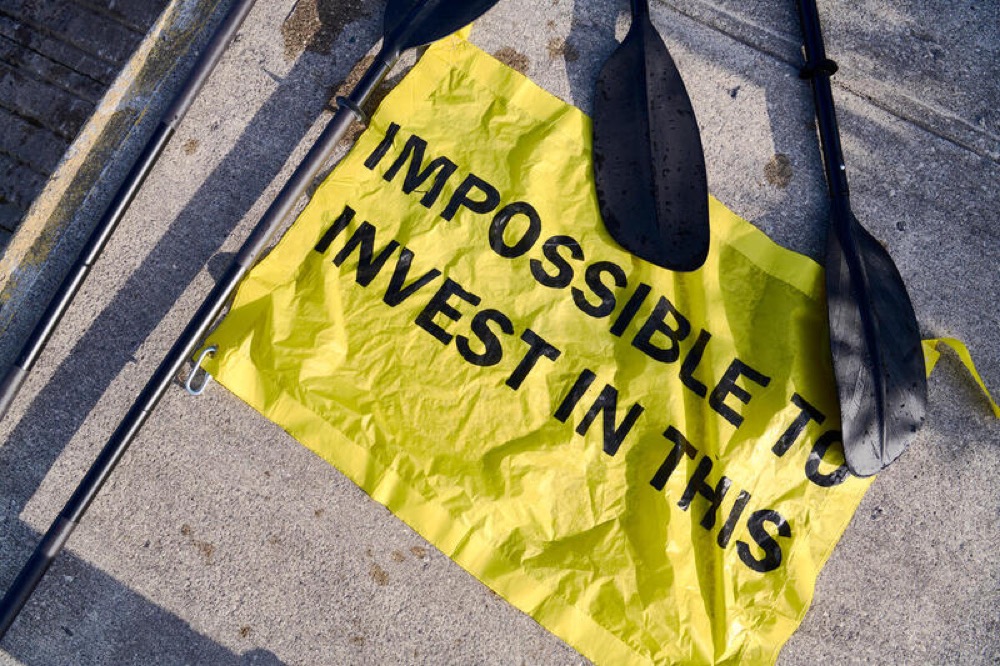
February 2024
Industry Comes Knocking
Impossible Metals asks the federal government to start the deep sea mining lease process in American Samoa.

American Samoa is being used as the testing ground for the world's first commercial deep sea mining. Stand with us to stop it.
Sign the Petition01 The BasicsDeep sea mining means sending heavy machinery to the ocean floor to collect small potato-sized rocks called polymetallic nodules, which hold metals like cobalt, nickel, and manganese. Undisturbed on the seafloor, these nodules are inert.
Mining them scours the deep ocean floor and releases toxic plumes of sediment that can spread across hundreds of kilometers of ocean, disrupting food webs from the smallest organisms up to large marine predators. The ecosystems being targeted took millions of years to form and cannot be restored. Scientists are still discovering how little we understand about these depths. One recent study found nodules may produce "dark oxygen," helping sustain deep-sea life in ways we are only beginning to grasp.
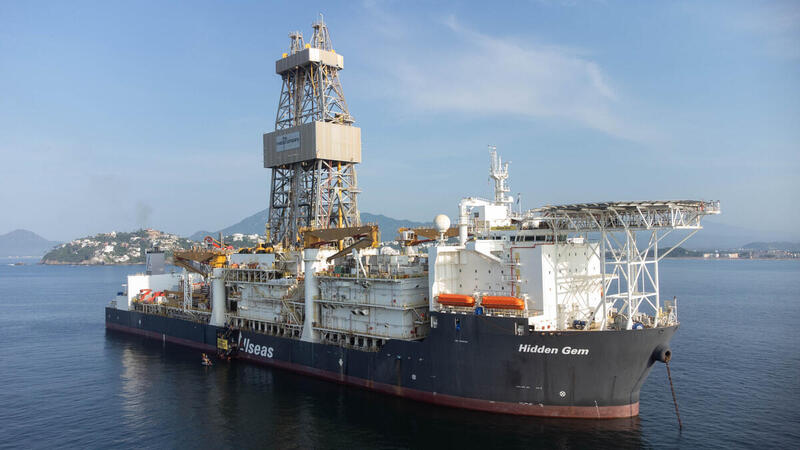 02 Our Home
In April 2026, the Trump Administration released a plan to fast-track offshore mining, with American Samoa first in line for a lease sale targeted for August 2026. This is despite a unanimous territorial moratorium and despite nearly 76,000 public comments, the vast majority opposed.
The federal government controls almost all the waters off our shores, and the company pushing to mine has said openly that the decision is not ours to make. American Samoa would carry all of the risk to our tuna, our reefs, and our way of life, while the profits flow elsewhere.
This is our home and our children's future, and it is not a gamble we can afford to take.
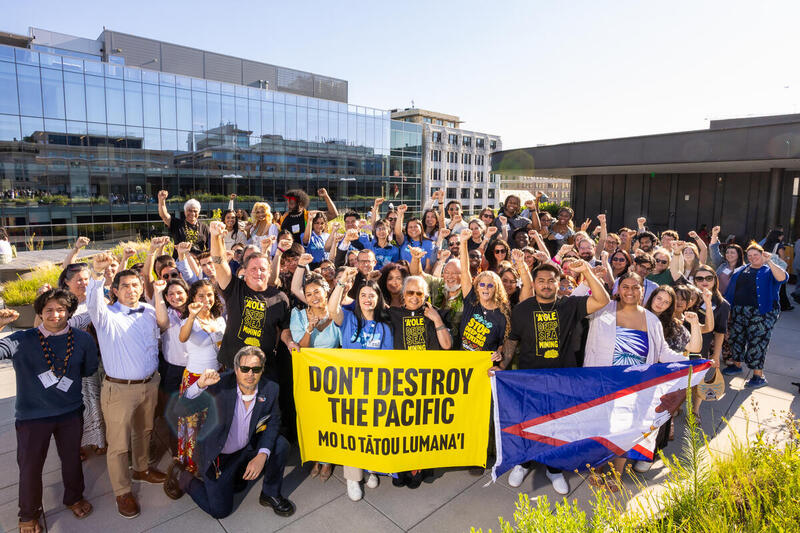 03 The Timeline
How a single industry request became a federal fast-track, and the decision now bearing down on American Samoa.
Impossible Metals asks the federal government to start the deep sea mining lease process in American Samoa.
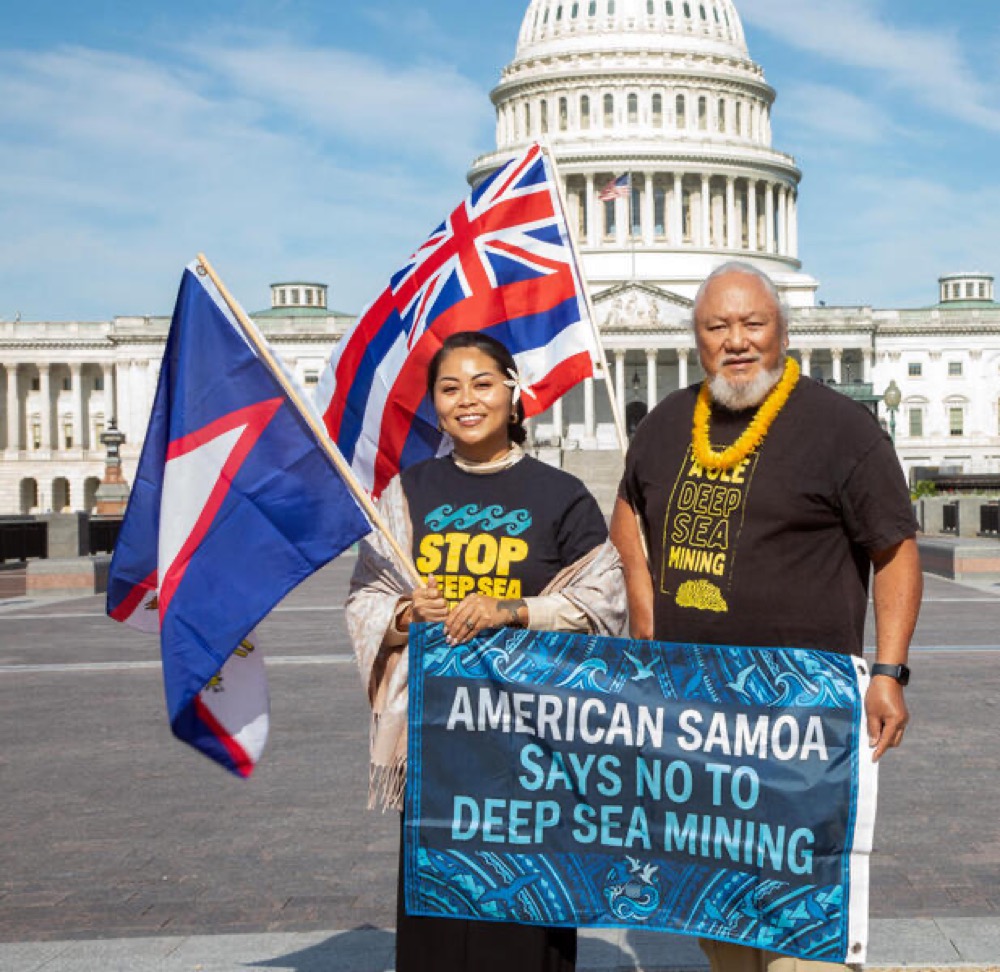
American Samoa issues a territorial moratorium on deep seabed mining, a united message: not here, not without our consent.
President Trump signed an Executive Order opening federal processes for deep sea mining in domestic and international waters. Waters offshore American Samoa would soon become the first proposed lease area under this new directive.
Ignored the first time, Impossible Metals renews its push to BOEM to open American Samoa's waters to mining.
BOEM publishes its Request for Information, formally starting the lease process despite our moratorium.
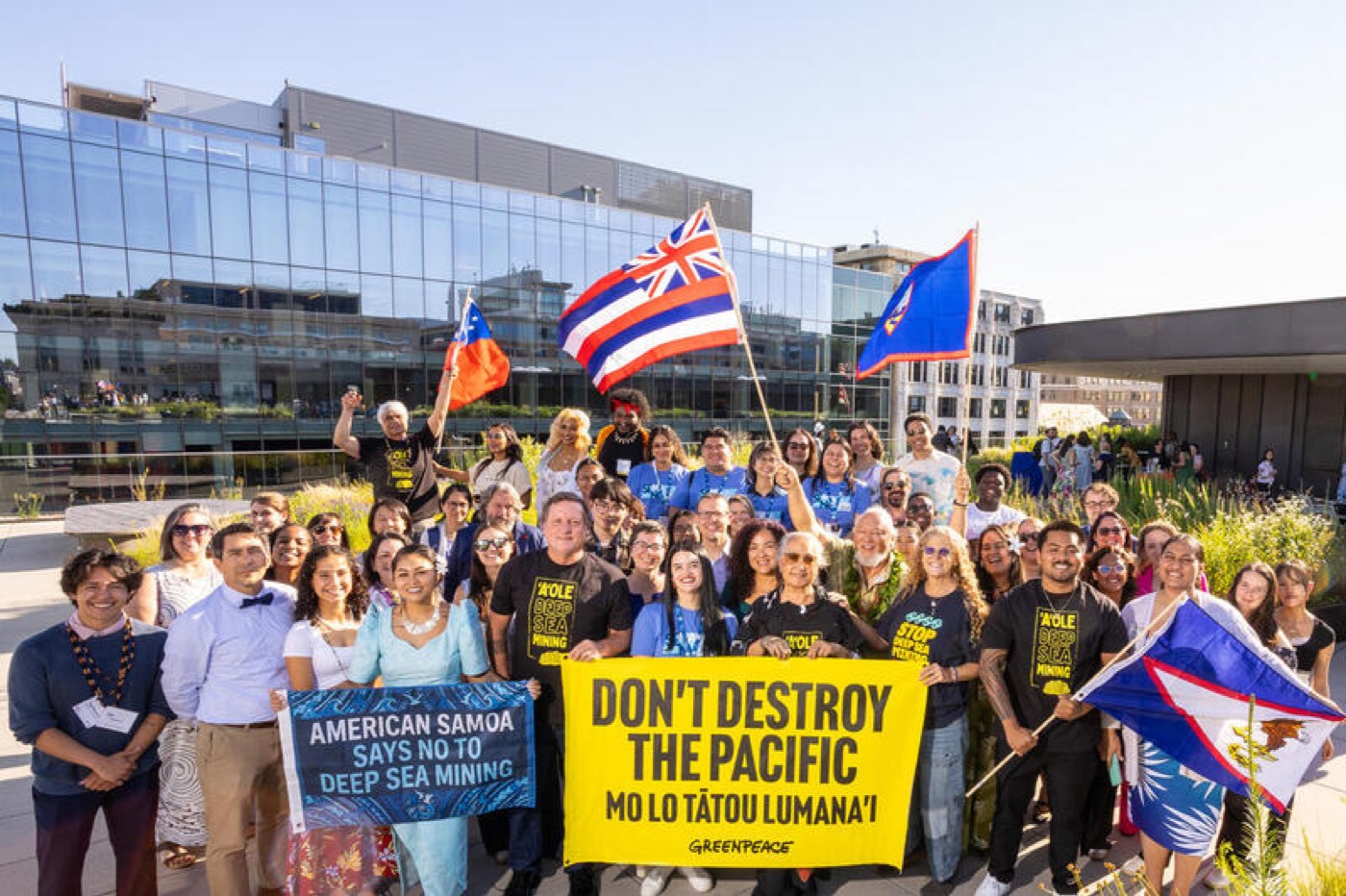
The public comment period closes with over 76,000 comments, the vast majority opposing deep sea mining.
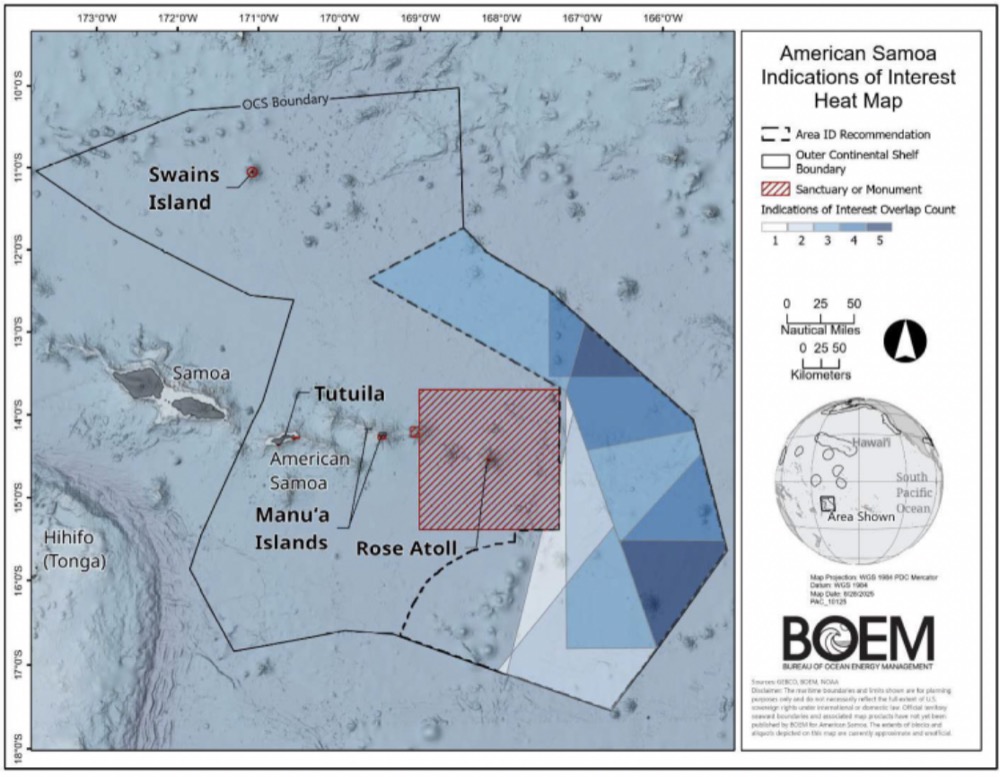
BOEM doubles the proposed lease area, ensuring every area industry requested was included.
BOEM shares fast-moving progress toward a lease sale despite requests to pause and consult the community.
An Interior FY2027 budget document reveals an August 2026 lease sale target for American Samoa.
BOEM is expected to release a desk-study Environmental Assessment with no field surveys, instead of the full Environmental Impact Statement we deserve.
The federal government projected a lease sale this month, a target impossible to meet without skipping legally required steps.
Based on the federal timeline, a competitive lease sale could occur as early as November.
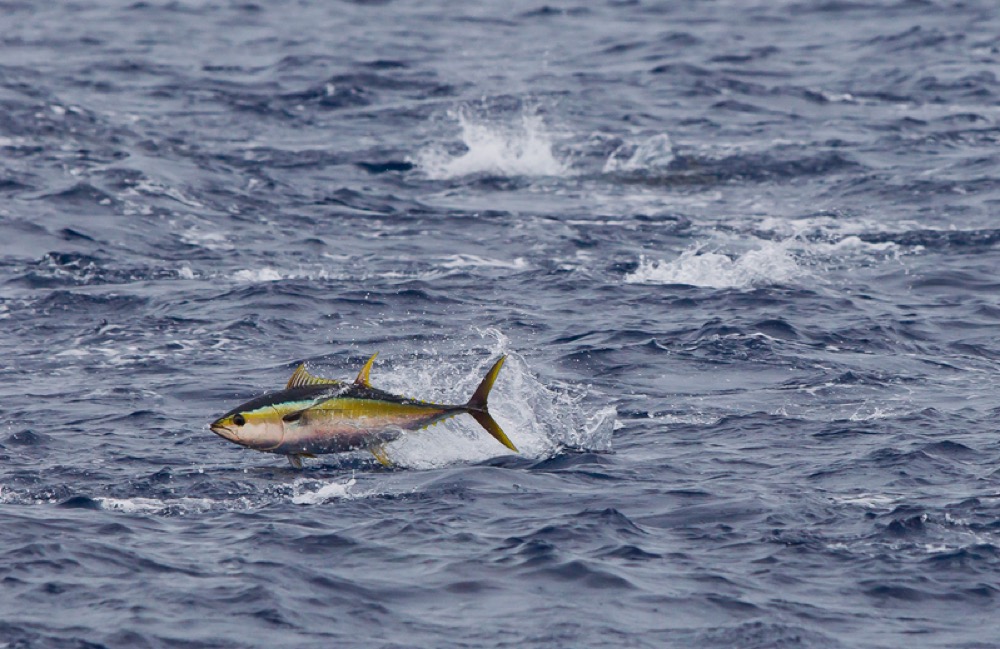
A mining lease could be awarded as early as December, locking in decades of risk to our ocean, our tuna, and our future.
Our ocean, our tuna, our reefs, and our way of life are not a gamble we can afford to take. A 20-year lease is a permanent decision with irreversible risks.
Add your name and stand with American Samoa.
04 Resources
Local leaders are sharing rosy claims while the federal agency openly works to shorten reviews and cut public comment. Here are the facts.
Read More →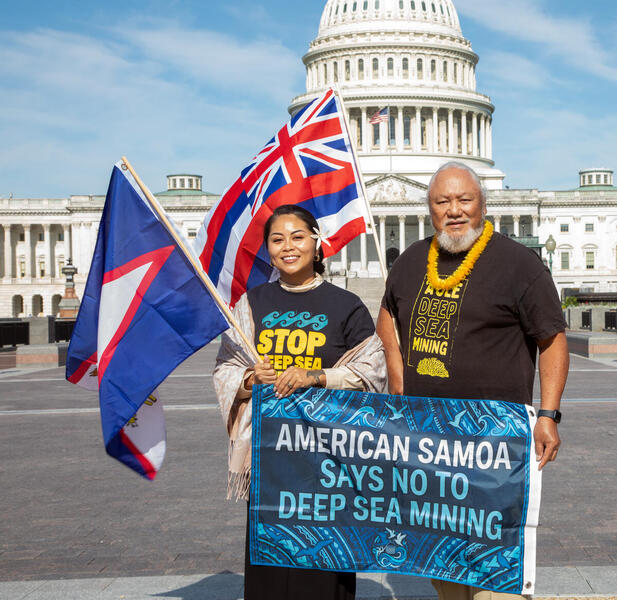
After reviewing tens of thousands of comments, most opposed, BOEM doubled the mining area to include everything industry asked for.
Read More →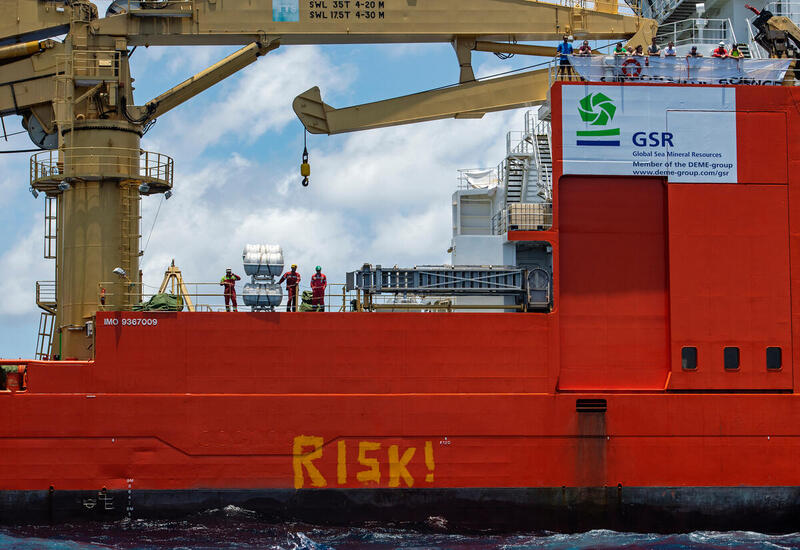
It costs about $200 to extract a tonne of nodules worth $137. American Samoa takes the risk while the profits go elsewhere.
Read More →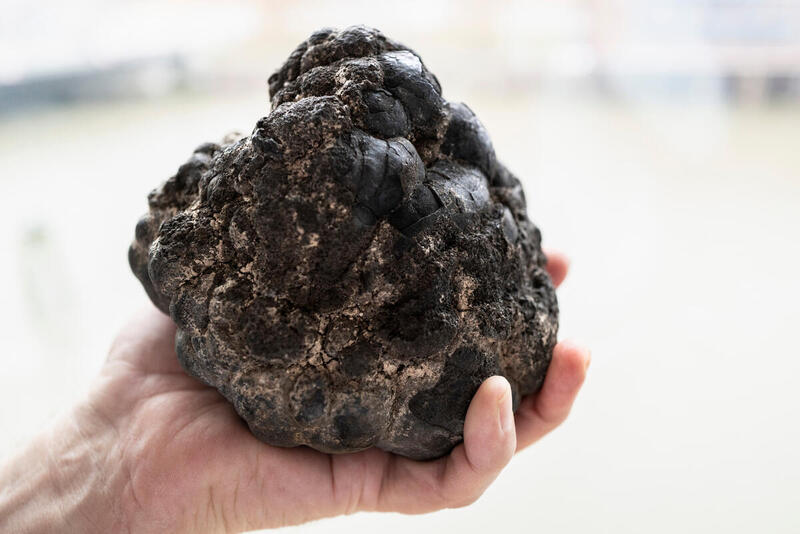
Processing and transshipment would bring radioactive dust and heavy metals to our shores, for nodules that may never arrive.
Read More →05 The RegionDeep sea mining in American Samoa's waters would not stop at our borders. Sediment plumes, contamination, and disruption to tuna migration could ripple across the Pacific and into U.S. waters, from Hawai'i to the Northern Mariana Islands and Guam. Tap a marker to see how each region could be affected.
05 The Region06 Common QuestionsStraight answers to the questions we hear most about deep sea mining and what it would mean for American Samoa.
The moratorium
A moratorium is an official pause or ban. In July 2024, American Samoa issued one that stops deep seabed mining exploration and exploitation in territorial waters. It reflects the united position of our local government: not here, not now, not without our consent.
It draws a clear line locally and adds American Samoa to a Pacific-wide stand against deep sea mining. It cannot by itself stop federal action in the deeper waters Washington controls, which is why public pressure matters. The moratorium is the foundation; our voices are what defend it.
Local leaders can hold the moratorium line, demand a full Environmental Impact Statement before any lease sale, use port authority to keep mining vessels out, and coordinate with CNMI, Guam, and other Pacific neighbors. They can also press our Congressional delegate to co-sponsor federal moratorium bills, including H.R. 664 and H.R. 663, which would halt deep sea mining until science and safeguards are in place.
A 20-year lease is a permanent decision with irreversible risks. Mining threatens the tuna and reefs our economy and culture depend on, brings toxic processing and transshipment risks to our air and water, and returns nothing to the territory: effectively no local jobs, no revenue, no benefit. Once the seafloor is gone, it is gone for good.
The risks & the facts
Yes. Deep sea nodules contain naturally occurring radioactive elements and harmful metals that may be released if disturbed by mining. If these toxins enter the food chain, they could harm the seafood our people depend on and pose risks to our health.
Akule and palolo are sacred cultural traditions that connect our people to the ocean, our ancestors, and our way of life. They must remain free from the harmful effects of deep sea mining so these traditions can continue to be practiced and passed down for generations to come.
Sediment plumes and dirt clouds cause environmental pollution, and the heavy machinery causes noise pollution. This would kill coral reefs that are already combating climate change. Deep sea mining would only create more issues for our already vulnerable ocean.
No. Deep sea mining is not labor-intensive. It is built around autonomous robots and software, not human workers. Most technical positions may also require outside expertise, reducing employment opportunities for local communities.
Yes. BOEM has explained that this is in its preliminary phase and will take years before any real mining begins. However, there is no guarantee mining companies can be stopped after all the time and money invested. Exploration can quickly lead to exploitation if regulations change or if companies push for full-scale mining.
07 For younger learnersTap a card to flip it over.